Herbert Austin had designed Wolseley’s first cars before leaving to set up on his own. In 1905 he bought a disused printing works at Longbridge, then just outside Birmingham, and the first Austin car followed in 1906.
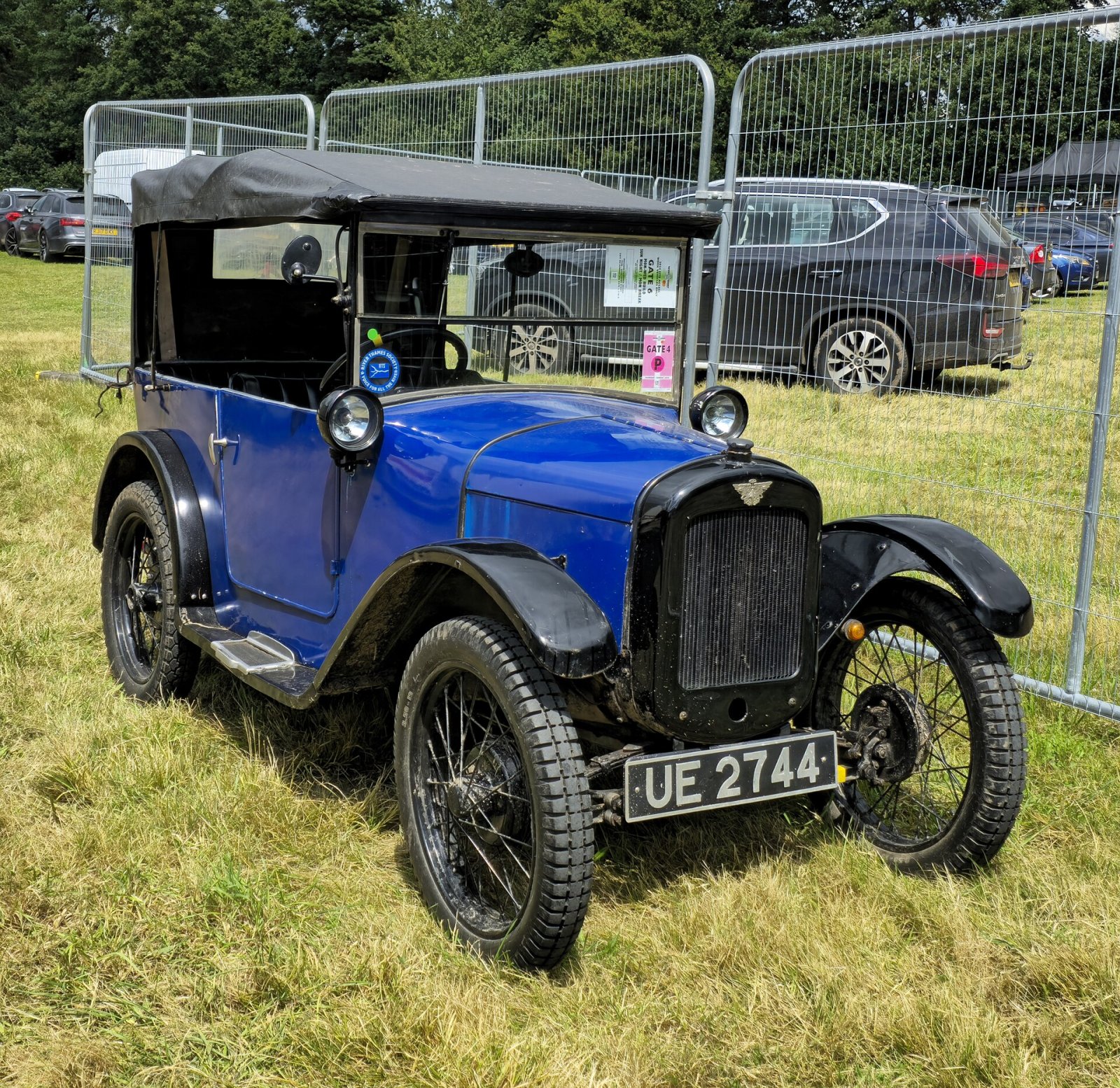
The Austin Seven of 1922 was the car that brought motoring within reach of ordinary British families. It was built under licence abroad too: the Dixi, which became BMW’s first car, was a licence-built Seven, as were the American Austin cars. Herbert Austin became Lord Austin in 1936 and died in 1941.
Under Leonard Lord, Austin merged with its old rival Morris in 1952 to form the British Motor Corporation, with Longbridge as its main factory. Minis, the A30 and A35, the A40 and the 1100 range were all sold as Austins, and the company became part of British Leyland in 1968. In the 1970s and ’80s the Allegro, Metro, Maestro and Montego carried the badge until the Austin marque was retired in 1987. Longbridge went on building cars under MG Rover until 2005, and MG final assembly continued there until 2016.