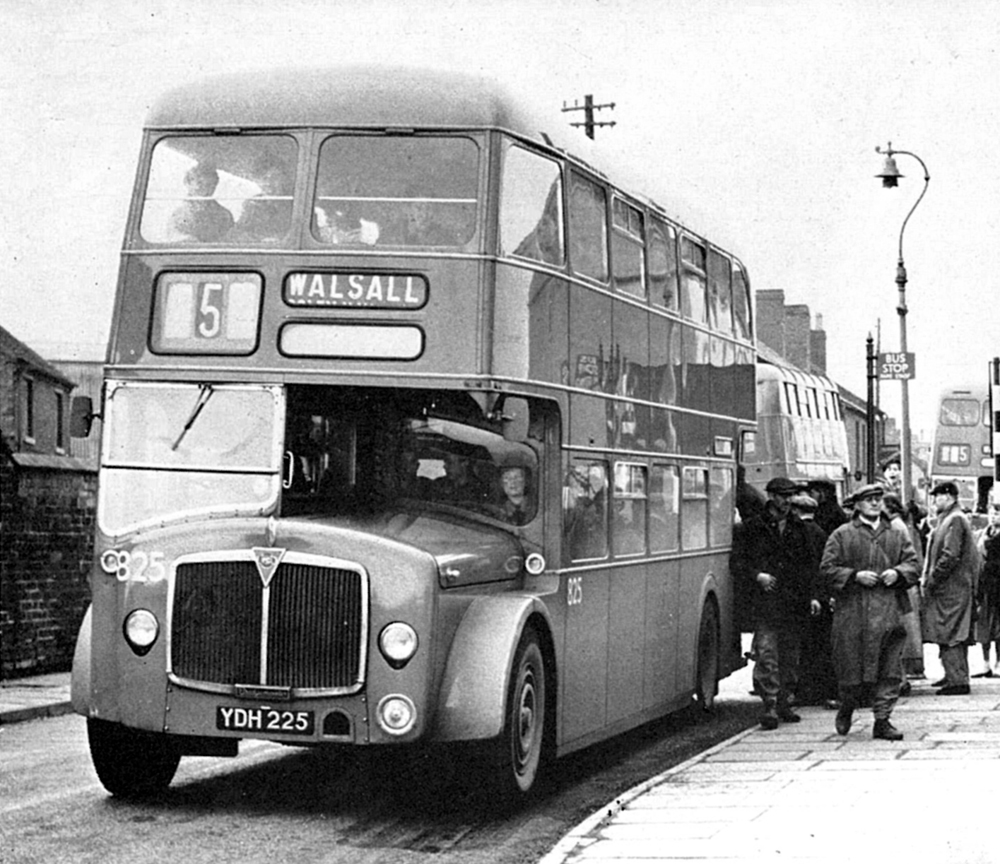
The London General Omnibus Company began building its own motor buses in 1909 at Blackhorse Lane, Walthamstow, with Frank Searle’s X-type and then the B-type, one of the first mass-produced commercial vehicles. When the Underground Group took over LGOC in 1912 it set up a separate company for bus manufacture, the Associated Equipment Company, or AEC. Its first lorry was built on the X-type bus chassis, and in the First World War it built more than 10,000 of the 3-ton Y-type on moving assembly lines, making it Britain’s largest lorry maker.
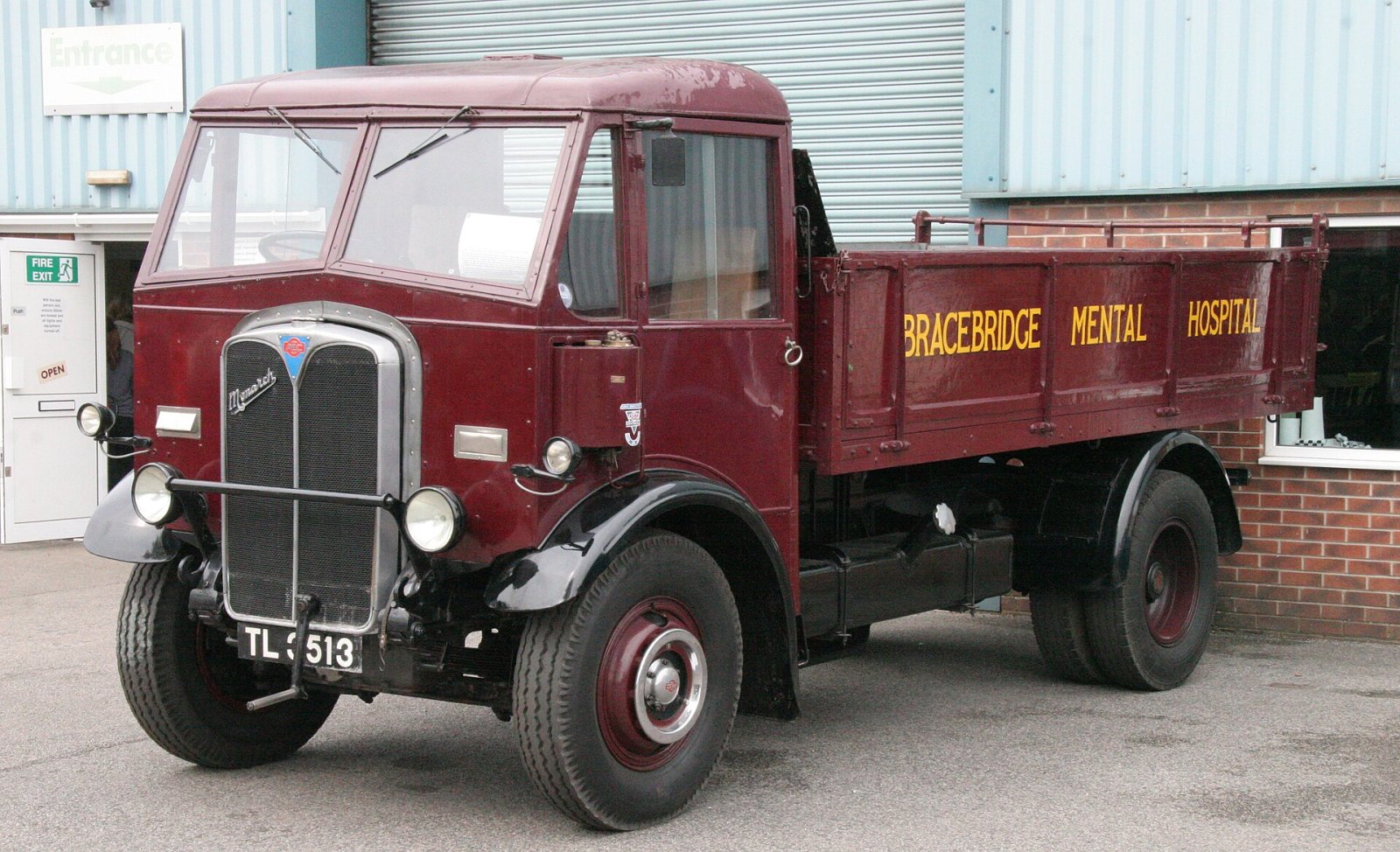
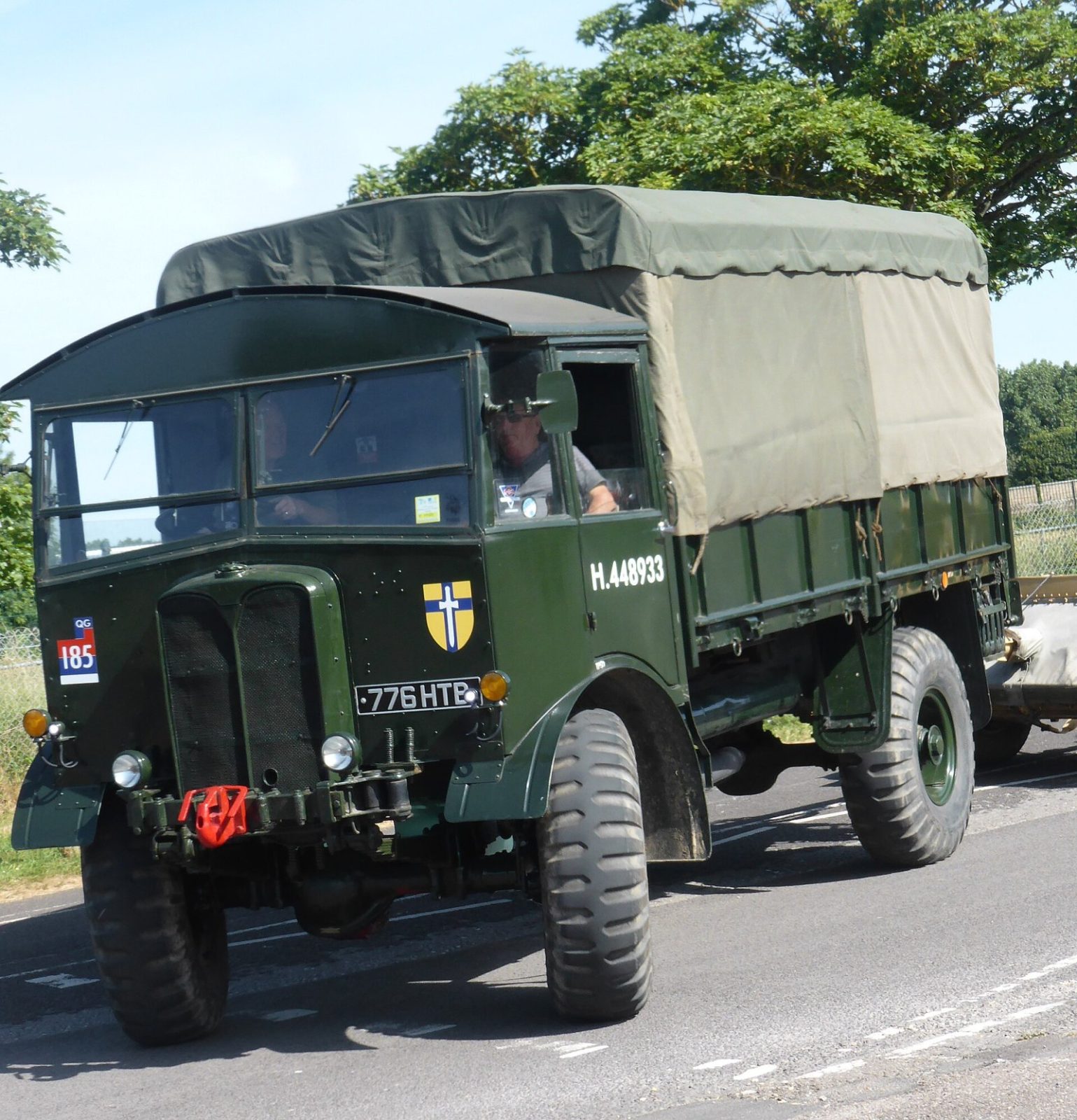
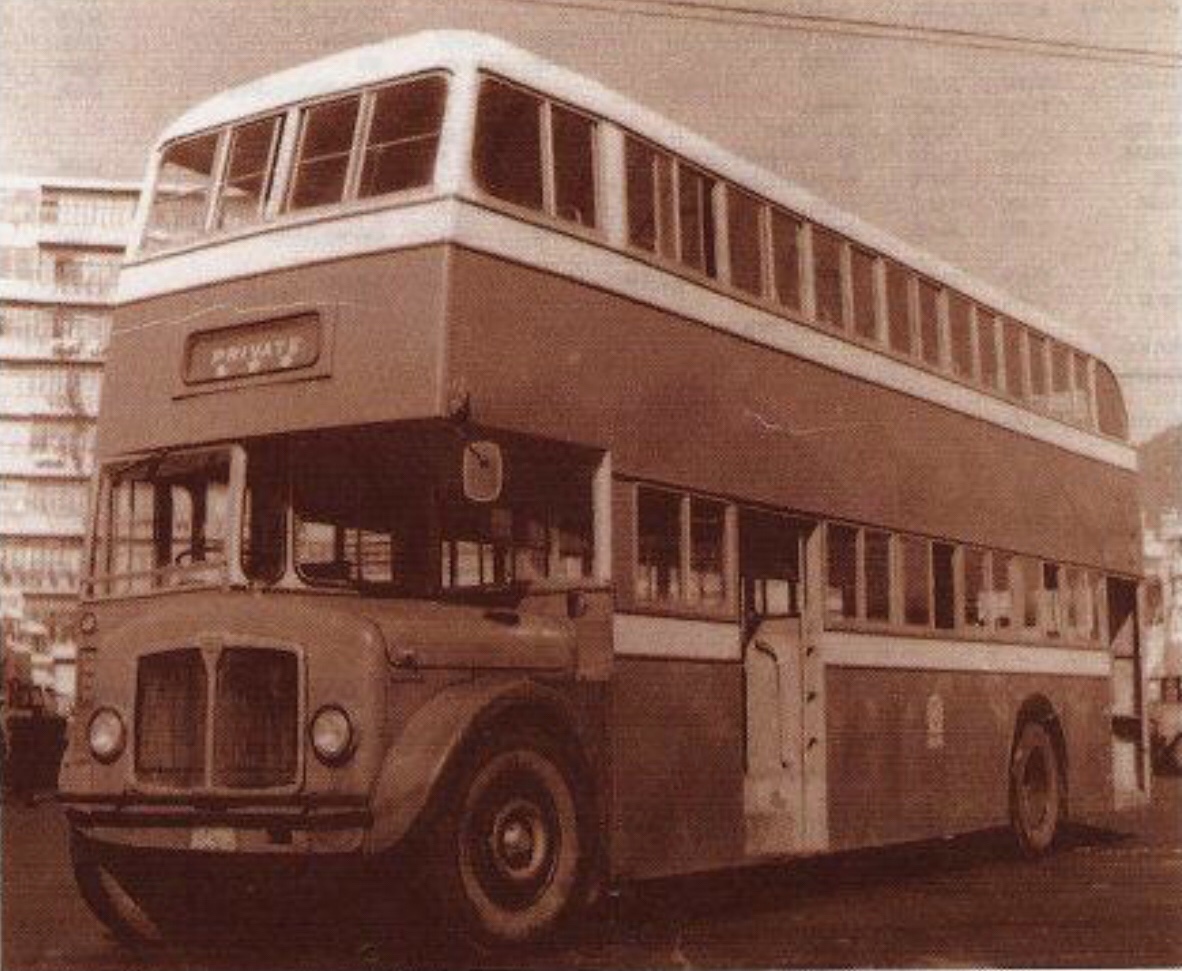
In 1927 AEC moved to a new plant at Southall, and under Chief Engineer G. J. Rackham lorry names began with M (Majestic, Mammoth, Mercury) and bus names with R (Regent, Regal, Renown). In 1933 it built a diesel railcar for the Great Western Railway. In the Second World War AEC built the 10-ton Matador artillery tractor and nearly 630 armoured cars.
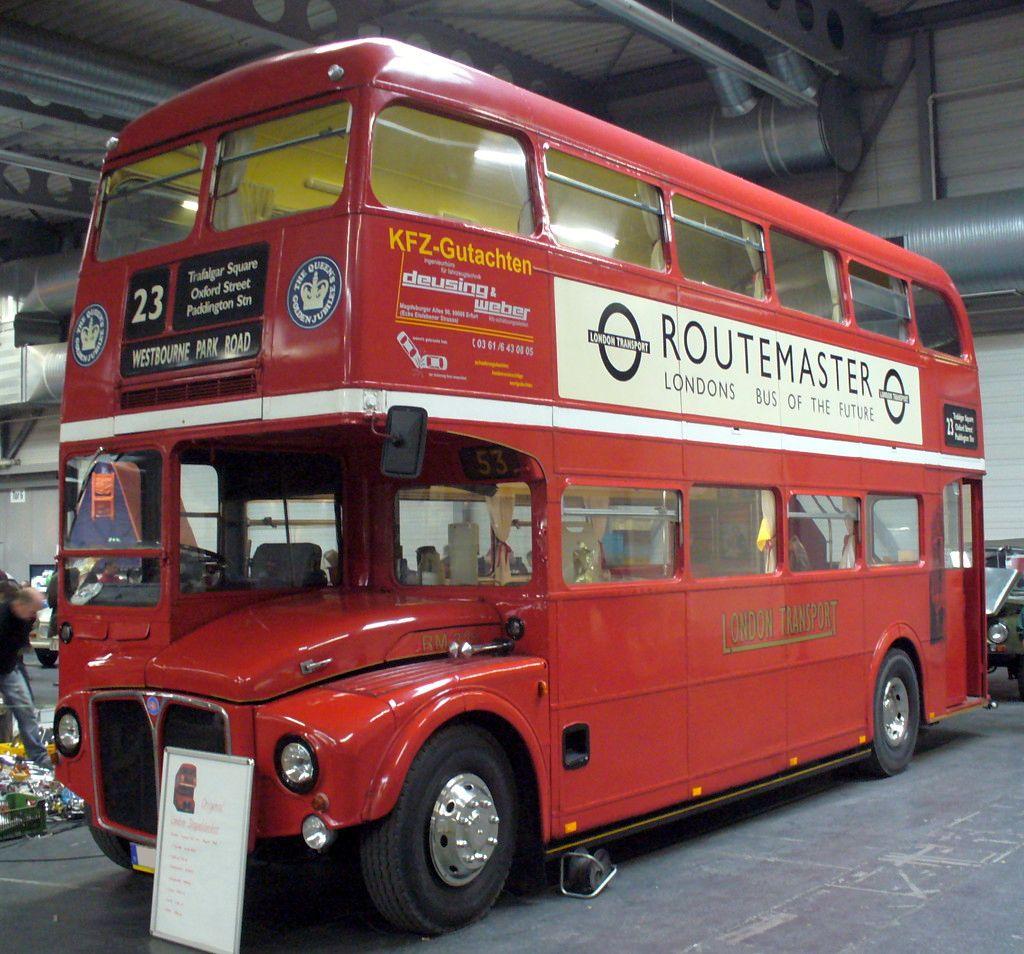
In 1948 AEC formed Associated Commercial Vehicles, buying Crossley and Maudslay and later Park Royal, and in 1961 Thornycroft. Leyland took over in 1962, and all AEC double-deckers ended with the Routemasters in 1968. The last AEC buses, coaches and lorries were built in 1979.