Ford’s first factory outside North America opened at Trafford Park, Manchester, in 1911, assembling the Model T for British buyers. In October 1931 it was replaced by the huge new Dagenham works on the Thames in Essex, at the time the largest car plant in Britain and in Europe.
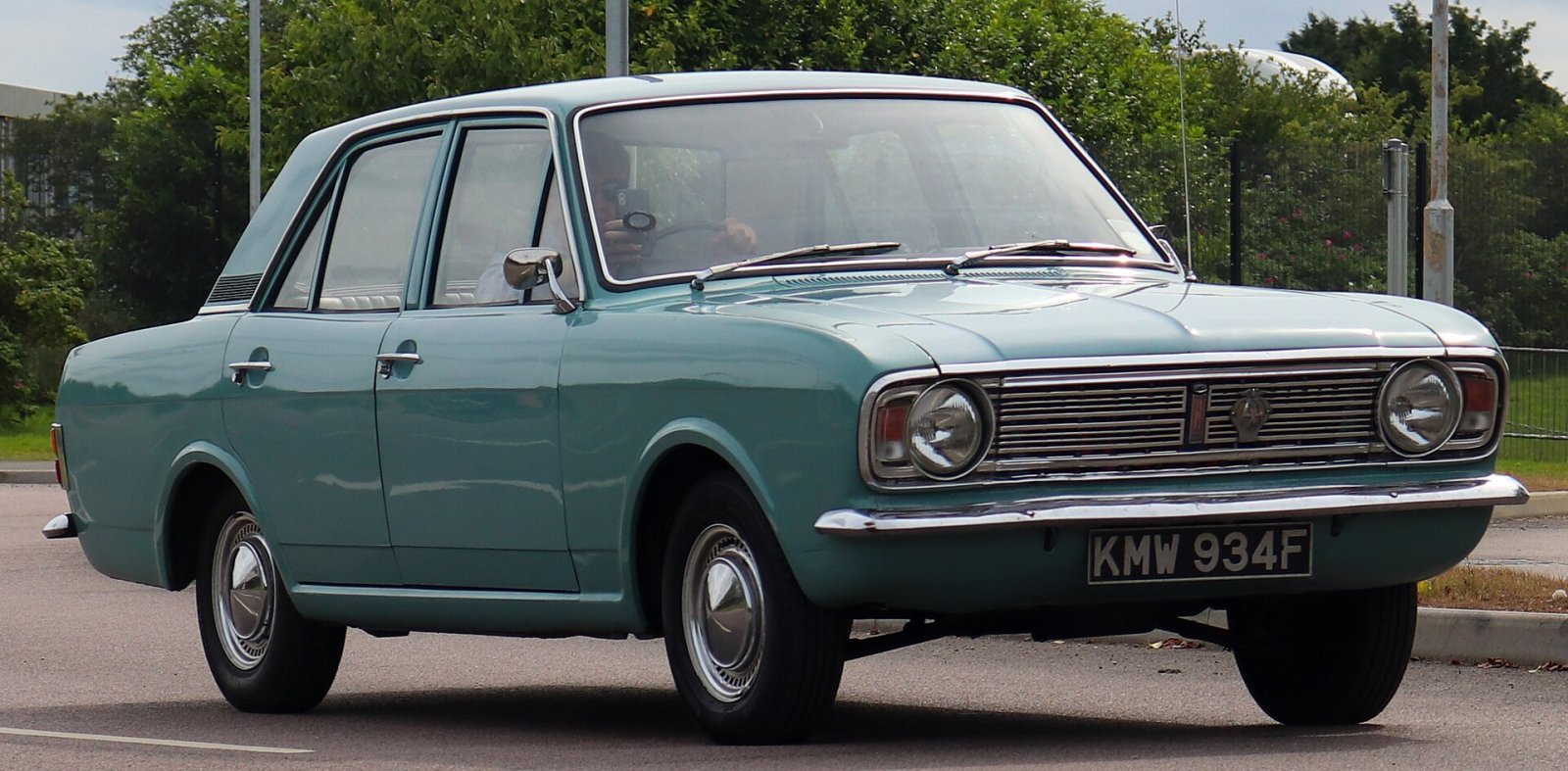
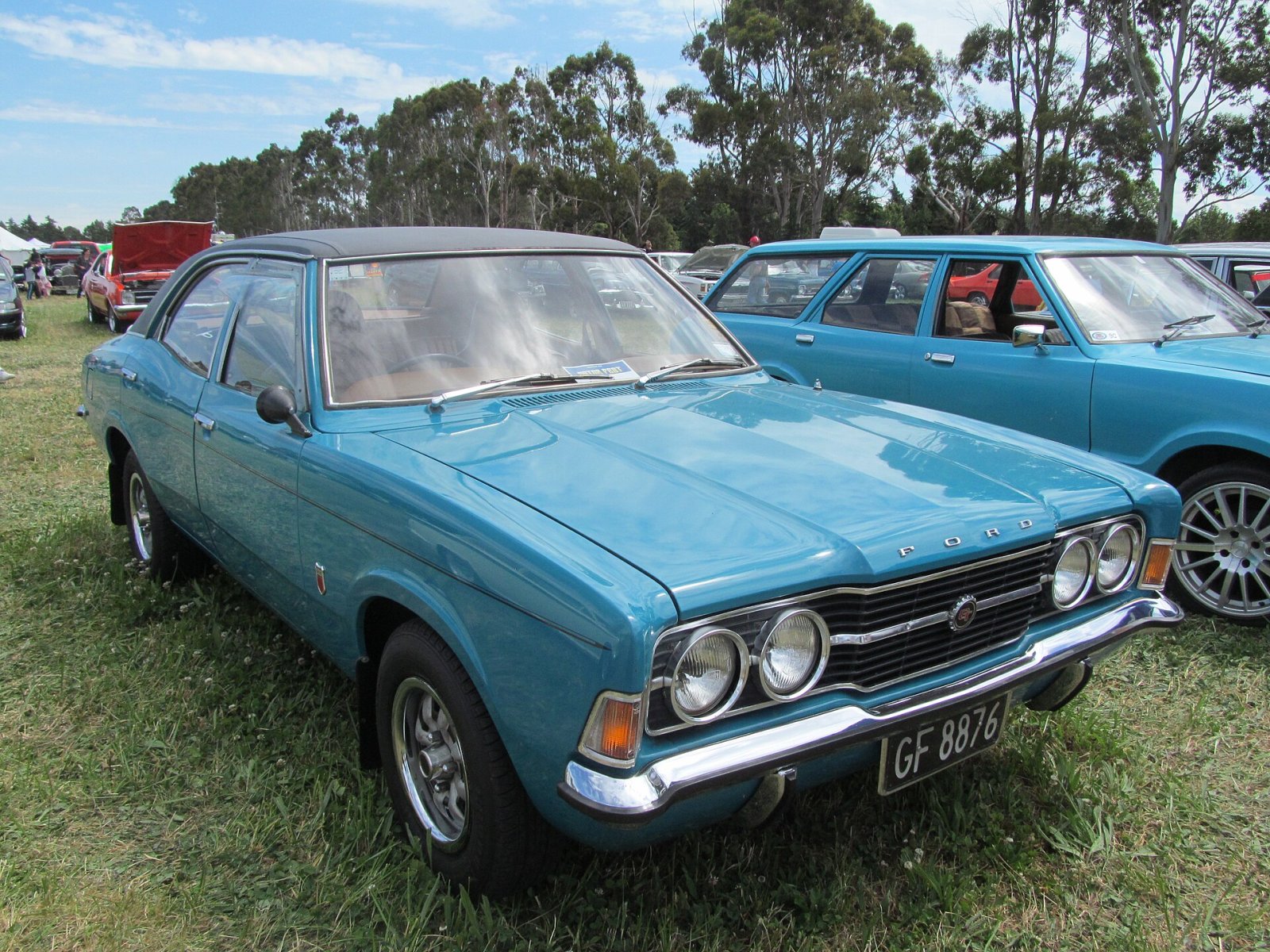
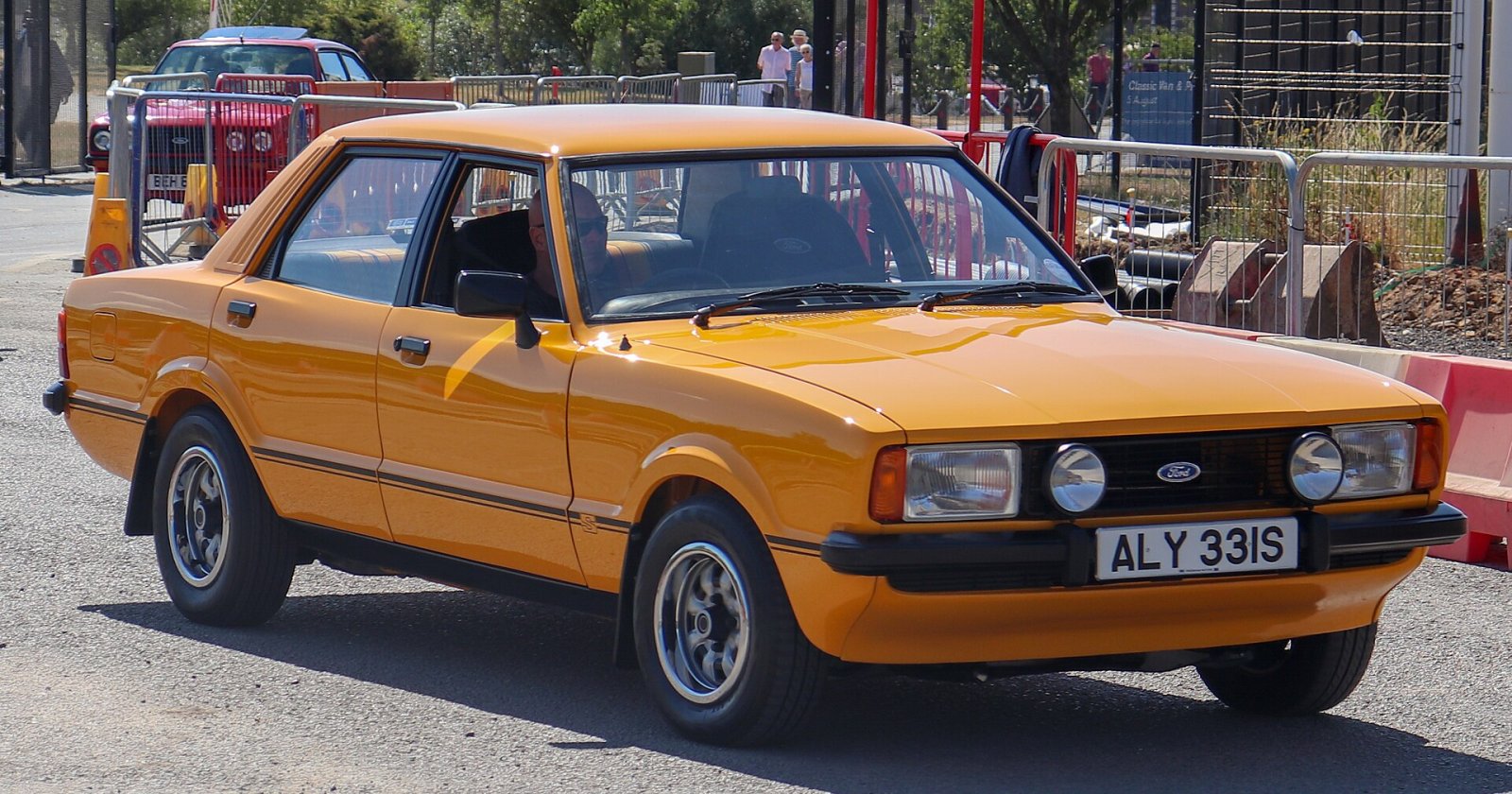
From the 1950s Ford of Britain developed many of its own models. The Consul and Zephyr of 1950 were followed by the Anglia 105E of 1959, the Cortina of 1962, the Escort of 1968 and the Capri of 1969, cars that dominated British roads and showrooms for decades and made Ford a leading force in British rallying and saloon car racing. A second car plant opened at Halewood, near Liverpool, in 1962.
Car production gradually moved to continental Europe: Halewood built its last Ford, an Escort, in 2000, and Dagenham stopped assembling cars in 2002. Ford’s last British vehicle production, the Transit van at Southampton, ended in 2013. Ford of Britain still builds engines at Dagenham and transmissions at Halewood, and runs its Dunton technical centre in Essex.